

Conventional blinds have always been a love-hate relationship for homeowners. They offer privacy and light control, but they collect dust, bend easily, and their cords can be both unsightly and unsafe. Between-the-glass blinds and shades promise a sleeker alternative. By sealing the blinds inside the glass itself, they stay dust-free, tangle-free, and damage-free.
It sounds like the perfect upgrade, but is it? This guide takes a closer look at how integrated blinds work, their key advantages, the trade-offs you should expect, and what “low maintenance” really means in practice.
How Integrated Blinds and Shades Work
In these designs, the blinds or shades are factory-sealed inside the panes of a double or triple insulated glass unit (IGU). They can be either:
- Blinds (Venetian-style slats): Allow adjustable light control through tilting and lifting.
- Shades (cellular or pleated): Filter light softly and can add insulation value.
They operate in two main ways:
- Magnetic slider: A small magnetic control on the surface moves the blinds inside the sealed glass. It’s simple, mechanical, and reliable.
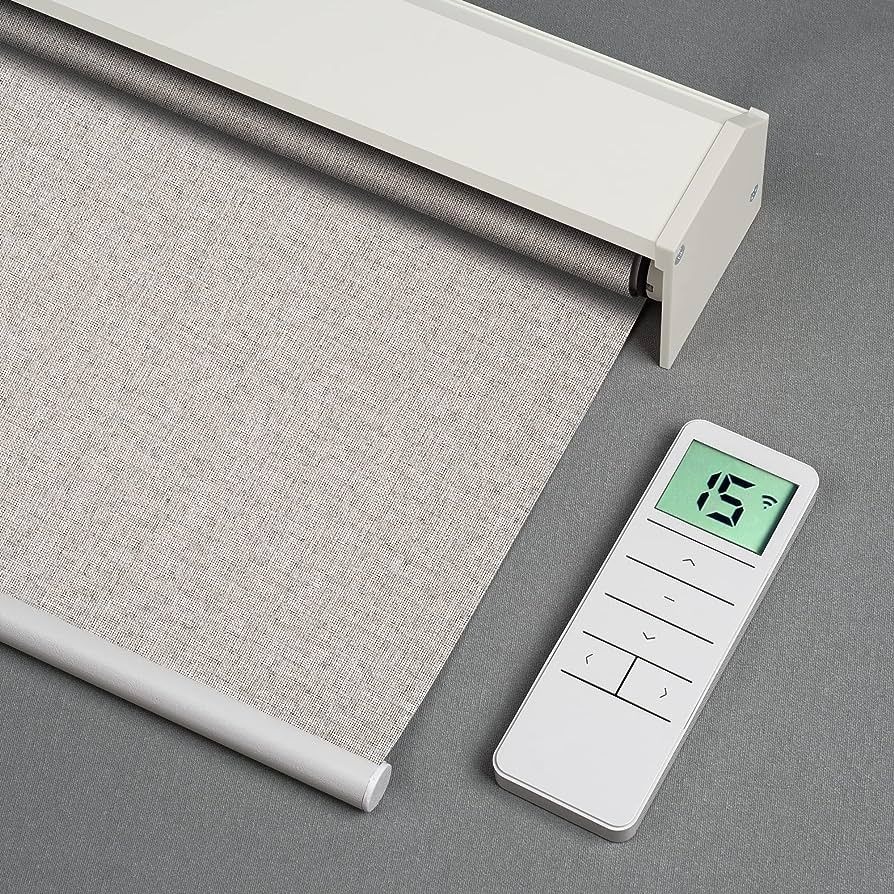
- Motorized system: A compact, battery-powered motor inside the frame operates the blinds using a remote or wall switch. It offers convenience but adds complexity and maintenance.
This setup is most often seen in patio doors, sidelites, and large fixed windows where external blinds would be awkward or prone to damage.
Why Homeowners Choose Them

The appeal of between-the-glass blinds lies in what they eliminate as much as what they add.
- No dust or clutter: Because the blinds are sealed inside, they never collect dust or pet hair. You only clean the glass itself. The American Lung Association notes that household dust can carry allergens and pollutants that affect indoor air quality, so sealed systems can help reduce exposure.
- Child and pet safety: With no external cords or wands, these units remove a known strangulation hazard for children and pets. According to Health Canada, corded window coverings are among the most common causes of household strangulation injuries in children, which makes cordless designs a major safety improvement.
- Durability and protection: The blinds are fully shielded from wear, bending, or damage. They stay straight and clean for years.
- Streamlined look: The appearance is clean and modern, ideal for contemporary homes and high-traffic patio doors.
Comparing Integrated and Traditional Blinds
| Parameter | Between-the-Glass | Traditional Blinds (Vinyl) | Fabric Shades (Cellular) |
| Cleaning | None (glass only) | High (slat-by-slat dusting) | Medium (vacuum or spot clean) |
| Child/Pet Safety | Excellent (cordless) | Poor (corded) / Good (cordless) | Poor (corded) / Good (cordless) |
| Durability | Excellent (protected) | Fair (can bend or crack) | Fair (can tear or stain) |
| Upfront Cost | Very High | Low-Medium | Medium-High |
| Repair | Professional only | Easy to Moderate | Difficult |
Choosing the Right Integrated Blind System
If you’re considering this option, focus on three practical details.
1. Operator type: Manual magnetic sliders are simple and durable, with fewer parts to fail. Motorized versions add convenience but depend on batteries and small motors that will eventually need replacement.
2. Blinds vs shades: Blinds offer precise control over sunlight, while cellular shades provide a softer appearance and better insulation. The honeycomb structure of cellular shades can help regulate indoor temperature by trapping air.
3. Warranty coverage: Check the details carefully. The glass seal may be covered for 20 years, but the internal blind or motor mechanism might only be covered for 5 or 10 years. Understanding what’s protected will help avoid surprises later.
Mistakes to Avoid
- Assuming repairs are easy: You cannot replace or adjust parts inside the glass. If something fails, the entire glass unit must be replaced by a professional.
- Ignoring seal failures: Like any insulated glass, these units can eventually lose their seal, allowing fog or moisture to appear inside. Once it happens, cleaning is impossible. Research from the National Renewable Energy Laboratory (NREL) highlights how IGU seals naturally degrade over time due to UV exposure and temperature cycling, shortening the overall window lifespan.
- Assuming “clean-free” means “maintenance-free”: While you’ll never dust again, you’re trading simple cleaning for a more complex mechanical system that may require service in the long run.
The Realistic Side of “Low Maintenance”
It’s true that you’ll never have to wipe down a slat again. The blinds stay spotless behind the glass for as long as the unit remains sealed. But that sealed environment is also their weakness.
If a seal fails, moisture and dust can slip inside, leaving the blinds foggy or streaked. Unfortunately, there’s no way to reach them without replacing the entire insulated glass unit. What began as a low-maintenance perk can become a costly repair if the window fogs up or the mechanism sticks.
Frequently Asked Questions
1. What should I consider when buying between-the-glass blinds?
The main considerations are the high upfront cost, the type of operator (magnetic is often more reliable), and a clear understanding of the warranty. You must accept that a “repair” almost always means “full replacement” of the glass unit.
2. How do I choose the best operator?
For most people, the manual magnetic slider is the best choice. It is simple, effective, and has no batteries to fail or motors to burn out. It’s the most reliable long-term option.
3. What are the advantages and disadvantages?
- Pros: No dusting, no cleaning. Excellent for child and pet safety (no cords). Very durable and protected from damage. The U.S. Consumer Product Safety Commission reports that corded blinds are a leading cause of child injuries in North America, reinforcing the importance of cordless and integrated systems.
- Cons: Very high upfront cost. If the mechanism breaks or the glass seal fails, the entire glass unit must be replaced (a very expensive, non-DIY repair).
Conclusion

Between-the-glass blinds and shades offer a modern, convenient solution that eliminates cleaning hassles and safety concerns. For patio doors and large windows, they create a streamlined appearance and a sense of permanence that traditional blinds can’t match.
Still, this technology comes with trade-offs. You gain long-term convenience but accept higher replacement costs and potential risks if a seal fails. For many homeowners, the freedom from dusting and the uncluttered design make it worth it – provided you understand the realities before you buy.